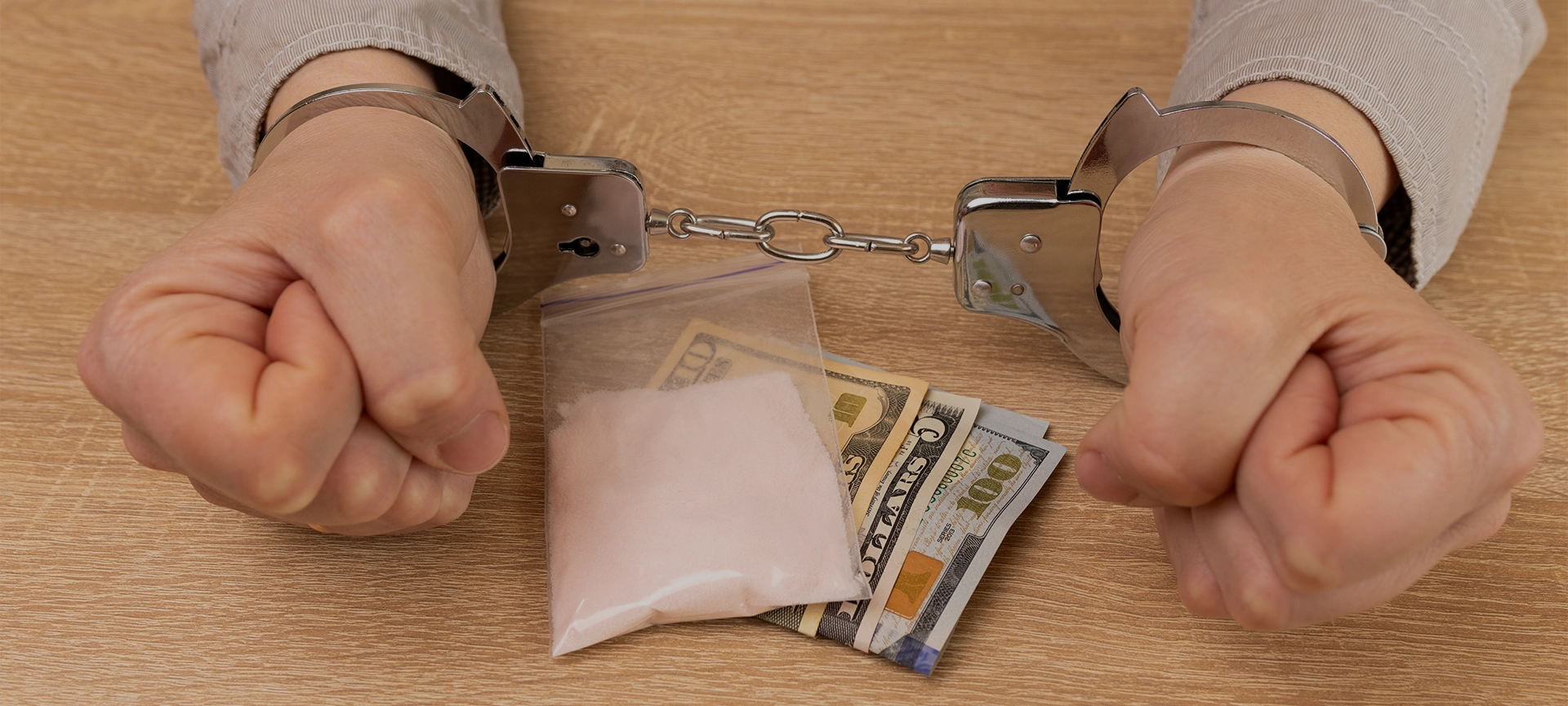

Plea bargains are a common part of the Canadian criminal justice system. They can be a useful way for justice to be delivered in a manner that can be comfortable for all parties. However, this doesn’t always mean they are fair.
Plea bargains exist for practical reasons and can be an important way to reduce stress on Canadian courts. When facing a potential plea bargain, it’s important to know whether it’s actually a good deal or whether it would be wiser for the accused to proceed to trial.
Plea Bargains Explained in Canada
A plea bargain is when the defence lawyer and the Crown prosecutor discuss ending a case without a trial. Here, the agreement is that the accused will plead guilty, and in exchange, the sentence or charges they receive will be more lenient.
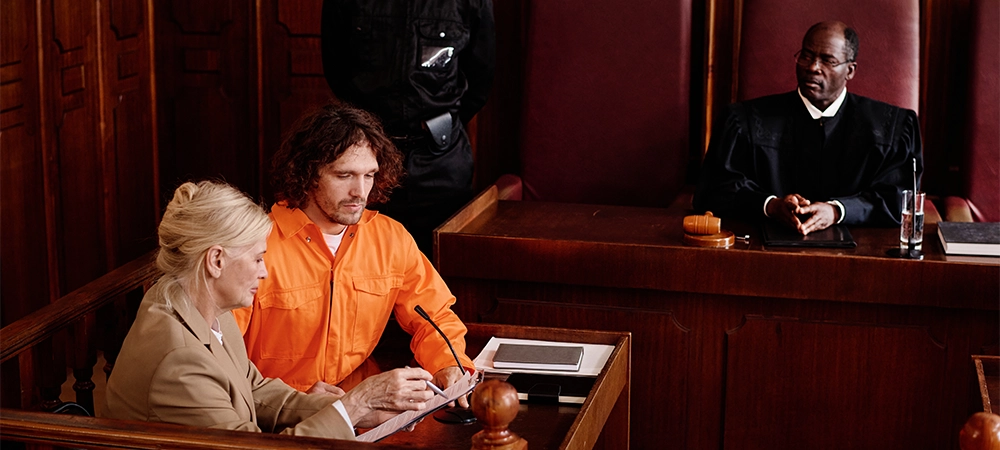
Once agreed between the two parties, this is then presented to a judge. The judge will often agree with the plea bargain, but is not bound to do so. If agreed, the case will proceed to sentencing with the terms of the plea bargain being respected.
For the court, plea bargains are useful as trials can be risky, expensive, and slow. They allow a case to proceed through the court very quickly, preventing the system from getting clogged up. In this respect, it’s a way to quickly deliver justice.
For the Crown prosecutor, they may worry that their case has weaknesses. They may feel the accused is guilty but know proving it will be difficult. It can also spare victims and witnesses going through what can be a traumatic experience, and provides certainty of a conviction.
For the accused, a plea bargain is often about damage limitation. It reduces the risk of a harsher sentence and the uncertainty that can come from a full trial. It can also be less stressful, avoid legal costs, and avoid public disclosure that comes from a trial.
Related Article: https://www.agpllp.ca/what-is-the-role-of-a-prosecutor-in-the-criminal-justice-system/
Why You Might Accept the Offer
From the moment you are arrested, you’ll need to deal with a huge amount of uncertainty. A plea bargain can be a way to remove that uncertainty and feel as though you can take control of your future, even if that means facing custodial penalties.
A trial can stretch on for months or even years. During this time, you can struggle to work or travel. On top of this, personal and professional relationships can become strained. This can include bail conditions that place restrictions on your life. There is also the ongoing legal cost to consider.
Even if you feel you have a strong case, a plea bargain may be tempting. Cases can be fickle, and you can never be certain of an outcome. Alternatively, the prosecution can still have a strong case with a reasonable chance at a conviction if the case goes to trial.
All of these reasons come with the chance to receive a more lenient punishment. Everything can be on the table, which can mean the likes of lesser jail time, reduced charges, or having secondary charges dropped. Ultimately, a plea bargain can be the less bitter pill to swallow.
Related Article: https://www.agpllp.ca/the-process-of-a-criminal-trial-in-ottawa/
When the Deal Can Be a Bad One
It’s dangerous to accept a plea deal if you believe you are innocent. By accepting a plea, you will legally be admitting guilt. This comes with the future consequences of a criminal record and the psychological cost of living with the lie. Generally, you also lose your right to challenge the conviction later.
The question for you isn’t just about guilt, it’s about risk tolerance. The bottom line is that accepting a plea bargain comes with a lot of harm. That needs to be weighed against the risk of the alternative.
The same logic applies if you believe you have a strong case. Trials are unpredictable. You may hire an inexperienced lawyer, have a key witness that fails you, or a jury that dislikes you. A strong case is perhaps the biggest reason that a deal can be bad for you, but it’s still not a watertight reason to reject one.
For some crimes, especially serious cases, you may also receive little benefit. The sentence may still be severe, even after bargaining. If there isn’t a big difference in punishments, taking the plea deal can start to make less sense.
The Role of Your Lawyer
It’s impossible to give accurate advice on whether or not a plea bargain is a good deal without knowing the specifics of a case. It’s vital to speak to an experienced legal team who will advise you on the strength of the Crown’s case, the weaknesses of your own, and a realistic sentencing range.
The decision is yours, but it has to be made with informed guidance. Not only that, but your lawyer should have spoken to you beforehand about any treatments, programs, or conditional sentences that may come into consideration.
While a lawyer’s advice is vital, even they can’t deal in absolutes. There are too many variables in a trial to be able to advise on exact outcomes or sentences, for example. Your lawyer is there to guide you in giving you all the information you need to make an informed decision.
Related Article: https://www.agpllp.ca/how-to-choose-a-criminal-defence-lawyer-in-ottawa/
FAQs
Do judges have to accept a plea bargain?
No, they don’t. If the judge determines that the sentence is either too harsh or too lenient, they can reject the deal. New submissions can be given after this point. This is rare, especially if both sides of the case have experienced legal counsel.
Why are plea bargains so common in Canada?
Trials can be costly, time-consuming, clog up the system, and be emotionally draining. A plea bargain can help to move a case through the courts while still delivering an outcome most parties are reasonably happy with, including the case having both accountability and closure.
Can I accept a plea bargain if I think I’m innocent?
A lawyer can’t assist you in accepting a plea deal if you don’t agree that you are guilty. There are times where you might think you are innocent, but are wrong about the facts or law. A plea deal may seem tempting, but there can be lifelong effects to a criminal record. You’ll never get that chance back to clear your name again. This is why it is important to consult with a lawyer before agreeing to anything.
Are plea bargains allowed for serious crimes?
Yes, but the more serious the crime, the more delicately they are handled. If the case is in the public interest, the Crown may feel compelled to take it to trial. Severe penalties will still be given for serious crimes, even with bargaining.
How do I decide if a plea bargain is the right thing to do?
The first step is speaking to your lawyer. They will advise you of the consequences of each decision and possible outcomes. After this, you may wish to speak to those you trust. Then you will need to weigh the pros and cons. Ultimately, the decision is yours alone.
Final Thoughts
The answer is that plea bargains aren’t always a good deal. As you’ve seen, there are some important reasons why they can both be good and bad ideas. If you’re pondering a plea bargain, it’s vital you appreciate the consequences of either accepting or rejecting one.
While the choice is ultimately yours, it’s imperative that your decision is backed by sound legal advice. If you’re in need of an experienced lawyer, then contact AGP LLP today. We’ll be happy to review your case and see how we can assist.