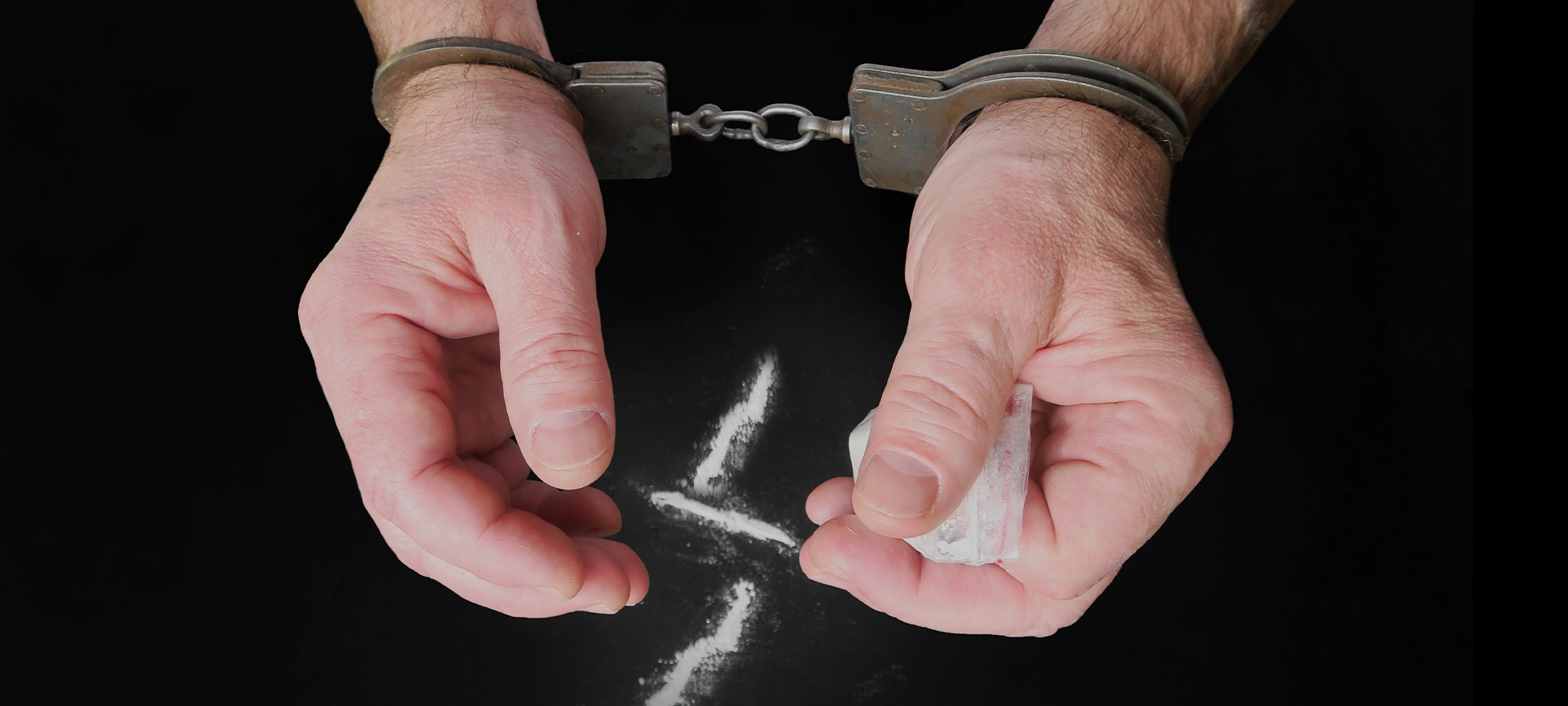

Drug trafficking is one of the most serious offences in Canadian law. However, there can be misconceptions about the classification of these crimes and the punishments for them. If you’re facing a drug trafficking charge in Ontario, it’s important to know what you’ll be facing.
How these cases will be treated depends heavily on the circumstances. This includes the substances used, the quantity, and other aggravating factors. Here you’ll see everything you need to know about drug trafficking charges.
What Is Drug Trafficking?
When people hear the term “drug trafficking,” they may assume it involves large gangs taking drugs across borders. While that is at the extreme end, the term includes any type of act that involves the selling, giving, administering, transporting or sending a controlled substance. Even offering to do these things is a crime.
For a drug trafficking charge, it’s irrelevant whether or not money changes hands. You also don’t need to be caught in the act. If you are found with controlled substances and it is believed you were distributing them, you can be charged.
Even giving someone a small amount of drugs for free can meet the definition of drug trafficking. This makes it a broad charge and one that can hugely depend on the circumstances when it comes to sentencing, if found guilty.
Related Article: https://www.agpllp.ca/drug-possession-charges-intent-to-distribute/

Schedules and Drug Trafficking Charges in Ontario
Drugs in Canada are divided into different categories called “schedules”. The schedule that a drug is in will affect how serious the offence is. Here are just some examples of which drugs fit into which schedules.
Schedule I: Fentanyl, Heroin, Cocaine, Methamphetamine
Schedule III: LSD, Psilocybin
Schedule IV: Benzodiazepines, Anabolic Steroids and some prescription drugs
As for Schedule II, this was reserved for cannabis. However, the law changed in 2018 with the Cannabis Act, making the drug legal in specific circumstances. It is still illegal to sell cannabis without a licence, but these cases are now dealt with by the 2018 Act.
If the court believes you have more of these drugs than could reasonably be for personal use, they will charge you with one of two crimes.
Trafficking – This applies if you have in any way been a part of distributing drugs, whether you received payment for them or not.
Possession for the Purpose of Trafficking – This applies when you have possession of a large quantity of drugs, but there is little or no evidence that you are distributing them.
Penalties for Trafficking Charges in Ontario
The penalties for trafficking vary significantly depending on the type of drug and the quantity. On top of this, there are aggravating factors that make the crime more heinous. For example, if the drugs were found near a school, it’s a repeat offence, or it was a part of organized crime.
For Schedule I substances, the maximum sentence is life imprisonment. It’s unlikely for most cases to meet this threshold, but even first offences can lead to long prison sentences. Schedule III substances can lead to up to 10 years in prison. However, if it’s deemed a lesser offence and proceeds as a summary conviction, that drops to 18 months.
Schedule IV substances often include prescription drugs and steroids. Here you can face up to three years in prison if it’s an indictable offence, or one year if it’s a summary conviction. It is possible to avoid jail time entirely in the least serious drug trafficking cases.
Aside from a custodial punishment, there can come other penalties, such as diversion programs, drug treatment programs, and conditional sentences. This is alongside getting a criminal record, which can affect your employment, travel, and reputation.
Related Article: https://www.agpllp.ca/the-different-types-of-criminal-charges-in-ottawa/
Defences to Trafficking Charges
Successfully defending against drug trafficking charges depends on the circumstances and evidence. Drug trafficking charges can vary hugely from one case to another, which is why you need an experienced drug offence lawyer to navigate your situation.
The first port of call will always be challenging the Crown’s proof of trafficking intent. Often, the prosecution won’t fully rely on one piece of evidence but will use several pieces of evidence to point towards intent. A defence lawyer will look to cast doubt on any areas of weak evidence.
There are other defences too, such as a lack of knowledge, claiming you legally had the drugs or charter rights violations. Legal defences for drug trafficking are highly technical and rely heavily on experience and knowledge of precedent to challenge them.

FAQs
Can you still be charged with trafficking cannabis in Canada?
Yes. Cannabis may be legal, but the making and distribution of it are tightly controlled. Unless you have the appropriate licence, you can still face charges under the Cannabis Act.
Is possession the same as trafficking?
No, as possession means having a controlled substance for personal use. However, the possession of a large quantity of drugs can lead to a trafficking charge if the Crown believe that there was an intent to distribute them.
What penalties can you face for drug trafficking in Ontario?
It can range from community-based penalties that involve no jail time, all the way up to life imprisonment. Due to this, it’s impossible to advise on a likely penalty without knowing individual circumstances.
Can you be charged with trafficking without selling drugs?
It depends on whether or not the Crown believes you have sold drugs. Even if you haven’t, they may not believe you. If they do, they may charge you with a lesser offence of “Possession for the Purpose of Trafficking”.
Should you speak to a lawyer if charged with drug trafficking?
You should speak to a lawyer as soon as you’re able to. As you’ve seen, a huge part of these cases is based on circumstances. An experienced lawyer will look for holes in the prosecution’s case and cast doubt on the charges laid.
Final Thoughts
Drug trafficking is a broad crime, which can make it seem scary when you look at the potential punishments. However, with these cases being heavily circumstantial, it can give a defence team many avenues to challenge the prosecution.
It’s vital that you get the right legal help. Here at AGP LLP, we are happy to offer you a free consultation to review your case and advise on the next steps. Contact us today if you want an experienced legal team on your side.